
UNIVERSITY OF MINNESOTA Materials Research Science and Engineering Center
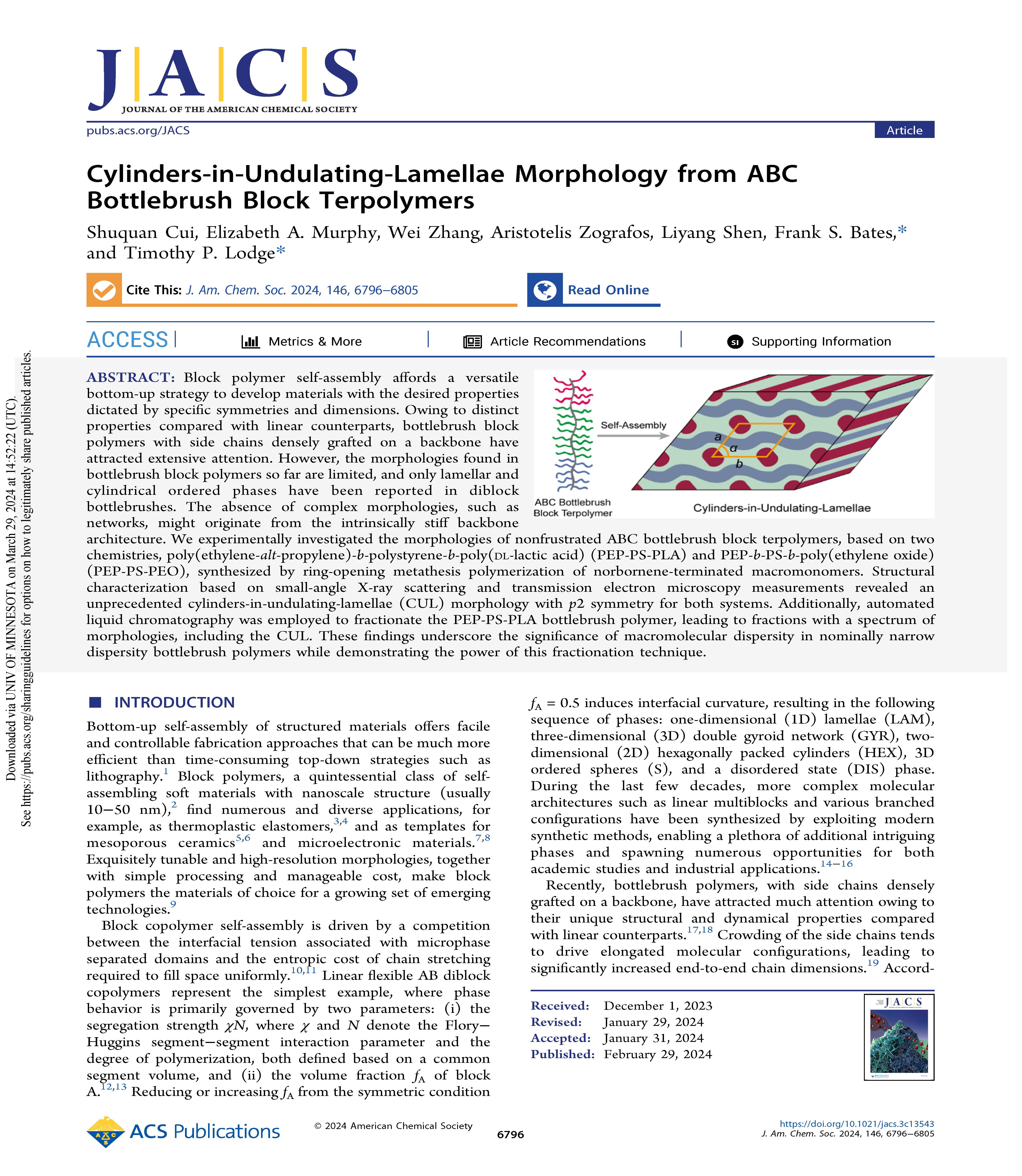
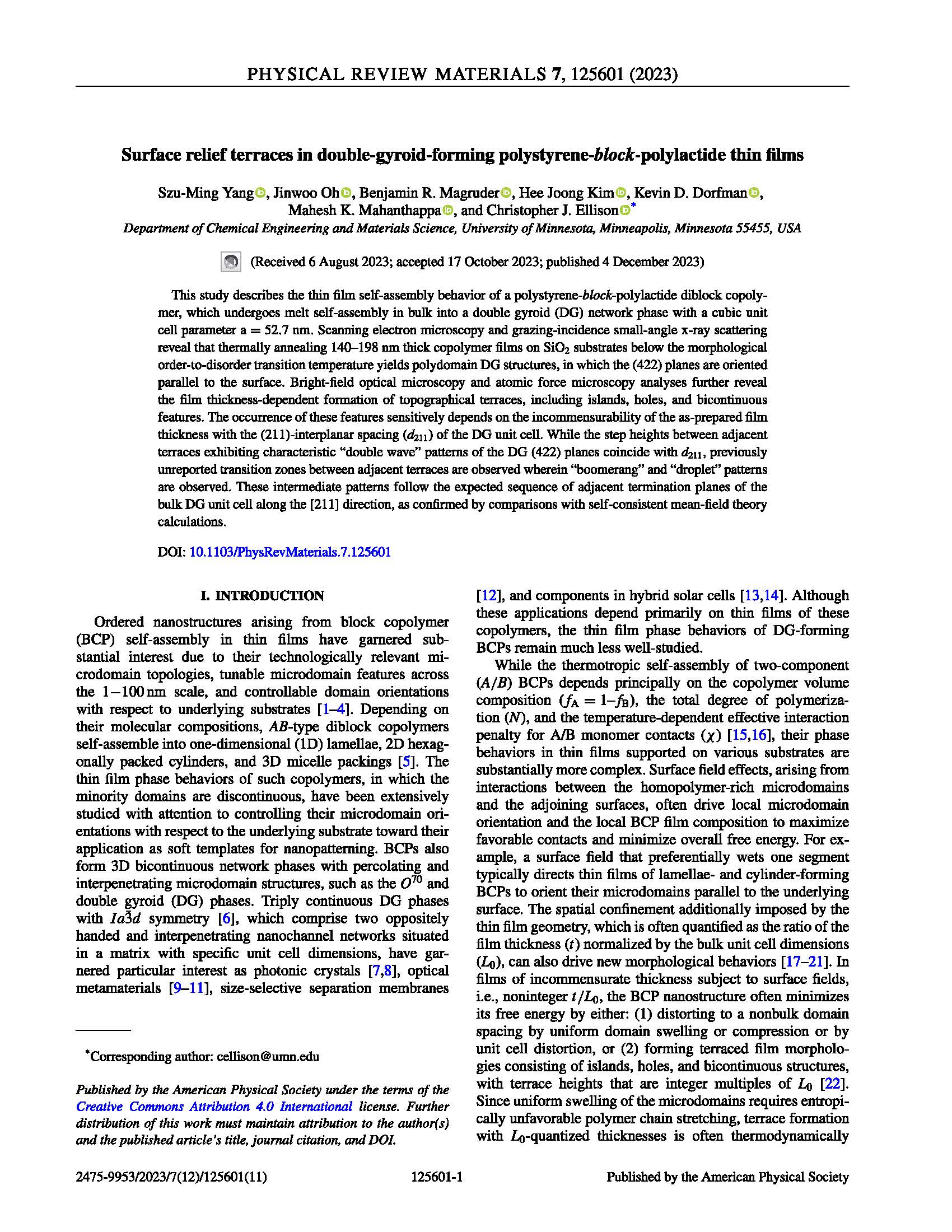
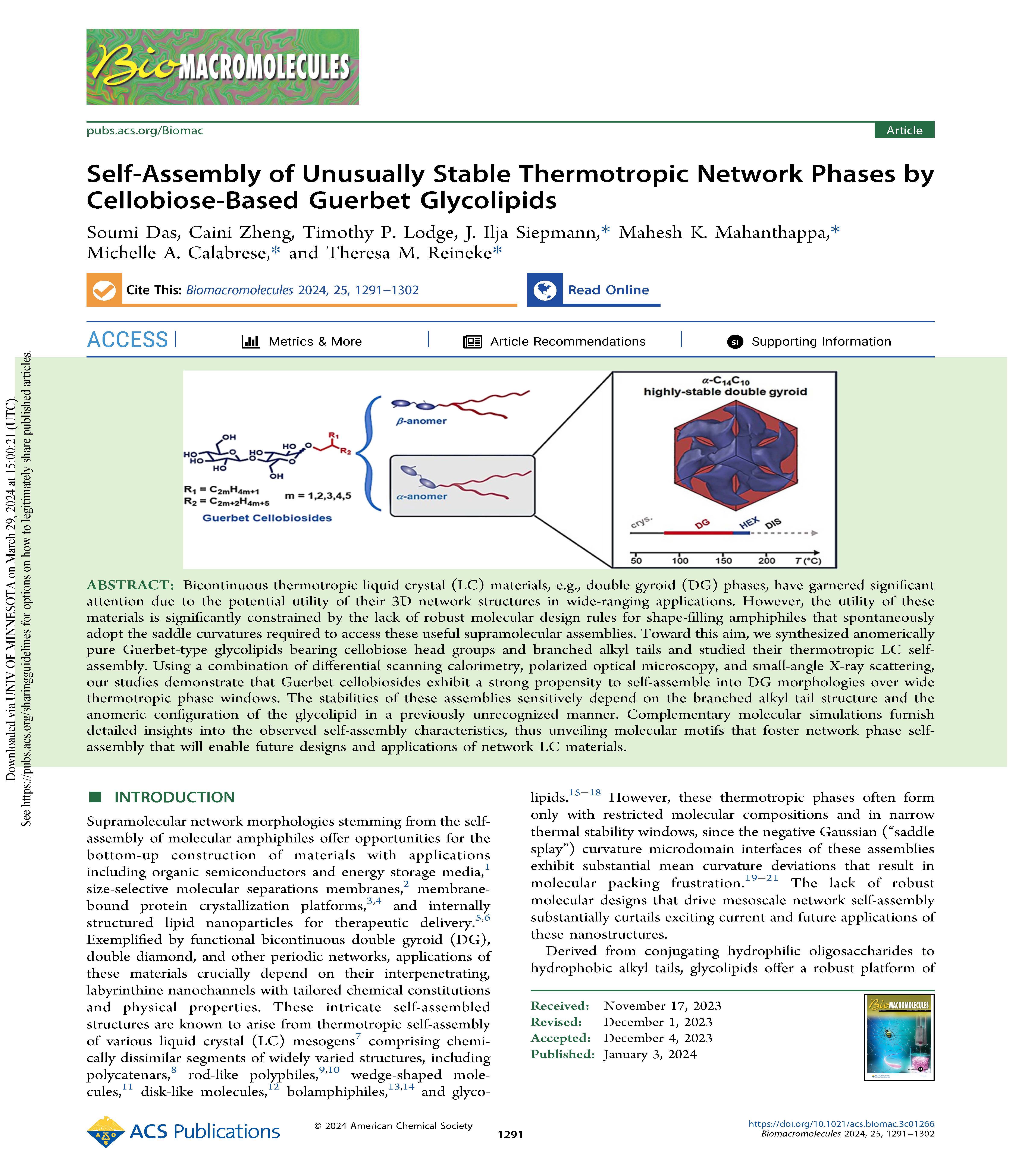
This multifaceted MRSEC enables important areas of future technology, ranging from biomedicine, separations, and plastic electronics to security, renewable energy, and information technology. The UMN MRSEC manages an extensive program in education and career development. Center research activities are integrated with educational programs, providing interdisciplinary training of students and postdocs. The MRSEC is bolstered by a broad complement of over 35 companies that contribute directly to IRG research through intellectual, technological, and financial support. International research collaborations and student exchanges are pursued with leading research labs in Asia and Europe. The UMN MRSEC benefits from an extensive suite of materials synthesis, characterization and computational facilities.
Highlights
International Collaboration: Electrolyte Gating Workshop, October 29th, 2008
International collaborators from Japan -Iwasa Lab, Tohoku University and Takeya Lab, Osaka University- visited the UMN and IRG-2 labs for two days. A workshop was held on the use of ionic liquids and gels to induce large carrier densities in organic semiconductors. This new materials approach, pioneered at Minnesota and at Tohoku University, promises exciting advancements in the understanding of electrical transport phenomena in organic semiconductors, as well as new low voltage device applications. Read More
IRG 4 Research Highlight: Hybrid Silicon Nanocrystal-Polymer Solar Cells
Mr. Chin-Yi Liu, a graduate student in the group of Uwe Kortshagen, demonstrated the first hybrid organic-inorganic solar cell based silicon nanocrystals. Hybrid organic-inorganic solar cells are intensely studied due to their potential for ultra-low-cost manufacturing. Mr. Liu's work is the first which uses nanocrystals of silicon, one of the most abundant, non-toxic and environmentally benign elements on earth. Read More
NSF awards a 2009 Partnership for Research and Education in Materials (PREM) to the University of Texas-Pan American and the University of Minnesota MRSEC
The objective of the PREM program is to broaden participation of under-represented groups and enhance diversity in materials research and education. The objective is achieved by encouraging formal, long-term, multi-investigator, collaborative research and education partnerships between women- and minority-serving colleges and universities, colleges and universities dedicated to educating a majority of students with disabilities, and NSF Division of Materials Research (PREM) -supported centers and facilities. Read More
Frank Bates (IRG 1) named University of Minnesota Regents Professor
Established in 1955, the Regents Professorship is the University's highest recognition for faculty excellence. The award honors faculty whose especially distinguished accomplishments in teaching and scholarship or creative work have contributed uniquely to the University and to the public good. Read More